• Home
  • About
  • Our Team
  • Services
  • Blog
  • Media
  • Contact
  • Book online
  • Home
  • About
  • Our Team
  • Services
  • Blog
  • Media
  • Contact
Book Online
  • Home
  • About
  • Our Team
  • Services
  • Blog
  • Media
  • Contact
Book Online

browse

The Blog

SELECT CATEGORY +
Breakfast  ·  Gut Health & Low FODMAP  ·  Recipes  ·  Vegan
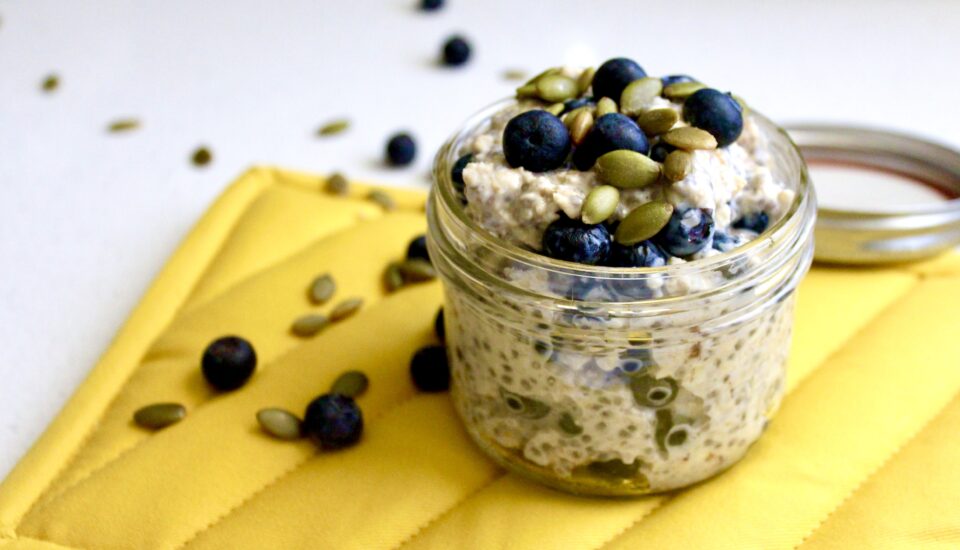
Overnight Oats with Blueberries and Pepitas
Food Relationship
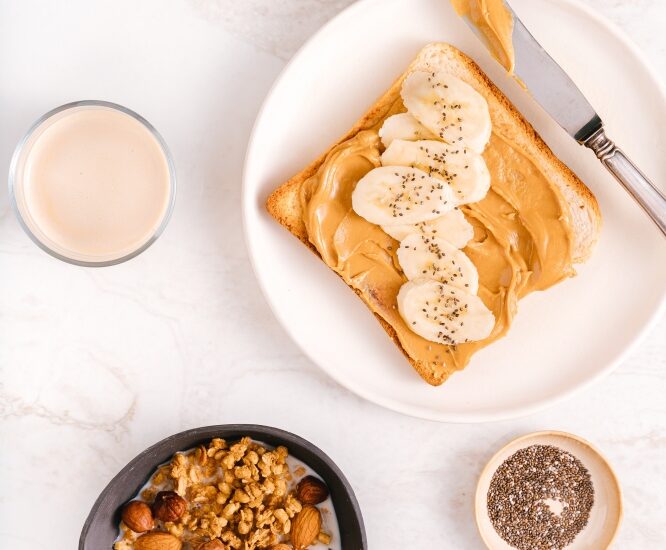
Food, Brain, and Mood Connection
12345678
Page 8 of 8


Join us on instagram

@foodtofit_nutrition

First, we’re not here to pathologize nor add shame First, we’re not here to pathologize nor add shame to bodies that gain weight. We understand bodies are, and have always been size diverse.

There are many factors that influence how a person’s weight and size can change. While food and movement might play a role in how the body shifts in size, for some people (that’s right, not everyone who makes improvements to nutrition intake or exercise/energy output loses weight!), there is a much bigger picture to consider:
- Stress and anxiety: Cortisol, energy conservation, and eating patterns all change under stress.
- Exercise: changes in muscle mass, stress levels, and mental health.
- Coping with food: Food releases feel‑good hormones like serotonin and dopamine. It’s normal to find comfort in food, but when it becomes the only coping tool, it can make hunger/fullness cues harder to recognize.
- Sleep: Poor or inadequate sleep increases hunger hormones.
- Medication: Some medications affect appetite or metabolism.
- Nutrition: Changes in eating habits, energy density, food quality, or your relationship with food.
- Chronic dieting: The body adapts to restriction by slowing metabolism, increasing hunger, and reducing muscle mass.
- Genetics: Just like height or shoe size, body size and shape are largely inherited.
- Addictions: Drug or alcohol use can lead to inadequate nutrition, and recovery can also shift weight.
- Age: decrease in muscle mass decreases; changes in hormones.
- Body Cues: Difficulty recognizing hunger or fullness cues can lead to extremes, from becoming overly hungry to eating past fullness.
- Hormones: Shifts in estrogen, insulin, or thyroid hormones.

Your weight, shape, or size may not be something you have “control” over, but we understand this can feel frustrating for folks desiring weight or body composition changes.

#antidiet #weightinclusive #nondietdietitian #foodtofit #haes
If you’ve ever felt guilt, shame, or self loathing If you’ve ever felt guilt, shame, or self loathing around eating certain foods, this is your reminder:

Your food choices don’t define you, and the idea that food has a moral virtue (ie. you’re good or bad based on what you eat), is rooted in privilege and patriarchy.

Food is food. Some foods are more nutrient dense than others, but a person’s well-being is not minimized to WHAT is eaten.

Fed is best.

#dietitian #foodtofit #weightinclusive #foodneutrality #traumainformed
Selective eating is often more complex than simply Selective eating is often more complex than simply being “picky.” Supportive routines, pressure-free food exposure, and offering a mix of familiar and new foods can help children build confidence and comfort with eating over time. Small, consistent steps matter most.

These are general tips to consider as a starting point. Some strategies may not be appropriate for more complex situations, where individualized support is important. Personalized care and guidance may be helpful from one of our pediatric dietitians.

Read the full blog post on this topic linked in our bio.

#neurodivergence #dietitian #traumainformed #foodtofit #pickyeating
“Picky eating” is a normal part of childhood. Whil “Picky eating” is a normal part of childhood. While many children eventually expand their variety with gentle support, some signs tell us a child (and their providers) may need more support. These include eating very few foods, intense reactions to certain foods, fear around eating, low energy, or slowed growth.

Picky eating can be stressful for both kids and care-providers. Dietitian‑led support can help families build calmer, more confident mealtime experiences.

Read the full blog post on this topic linked in our bio.

#neurodivergence #dietitian #traumainformed #foodtofit #pickyeating
Misinformation is false or misleading information Misinformation is false or misleading information that’s shared without the intent to cause harm, but isn’t accurate nonetheless. Disinformation is false information that’s created or spread on purpose to intentionally mislead.

Nutrition misinformation/disinformation is everywhere online, so here are some red flags to watch for:
- Fear-based messaging
- One-size-fits-all advice (nutrition is never that simple)
- Promises of “magic cures” or “quick fixes”
- Personal anecdotes used in place of real evidence
- Overly restrictive or all-or-nothing rules
- Someone is trying to sell you a product or program
- Advice not coming from a qualified nutrition expert (like an RD)

Misleading nutrition information not only leads to confusion and self-doubt, but it can be harmful. So many of our clients at F2F, tell us they feel confused and that they see so much conflicting information online. Misinformation and disinformation may lead people down a road of obsessive food thoughts, development of food fear, unnecessary food restrictions, disordered eating, and nutrient deficiency to name a few. Don’t hesitate to meet with a Registered Dietitian who is regulated and must follow important standards of care set out to protect the public.

#nondiet #dietitian #weightinclusive #foodtofit #misinformation

LET'S STAY IN TOUCH

Join our mailing list

Join our newsletter for more non-diet content including practical nourishment, recipes, nutrition myth-busting, and weight inclusive well-being.

Curiosity, self-compassion, food peace. Nutrition assessment, planning, and monitoring + food relationship counseling.

Phone: 306.717.6291 Fax: 306.500.9552 Email: admin@foodtofit.ca

Food to Fit Locations:

#203, 2445 Broad Street 
Regina, Saskatchewan


1124 8th Street East
Saskatoon, Saskatchewan

  • Meet our team
  • What we do
  • Blog
  • Book Online
Instagram Facebook Twitter
2023 © Copyright. Food to Fit Nutrition Inc. All rights reserved. Site Credit.

categories

  • POSTPARTUM/INFANT NUTRITION
  • FOOD RELATIONSHIP
  • NON-DIET
  • GUT HEALTH & LOW FODMAP
  • PCOS
  • NUTRITION TIPS

recipes

  • VEGETARIAN
  • VEGAN
  • MAINS
  • BREAKFAST
  • ONE POT MEALS
  • SIDES/SALADS
  • DRINKS & SMOOTHIES
  • SNACKS
  • LOW FODMAP